| The Bahiagrass Links listed below are listed for your research
use. These links take you to various individuals and organizations with info about Bahiagrass. We try to keep these links active and current for your research needs. If
you would like a link added, or have found a link to be outdated... Please contact us at
the Email address at the bottom of this page. Be sure and also check out the links listed
above, along with the list of Bahiagrass
and centipede documents maintained on this site.
Various Florida Lawn
Planting Information
Preparing to Plant a Florida Lawn - Very good site for Homeowners, etc.
Yearly
Calendar for Bahiagrass Care and Culture
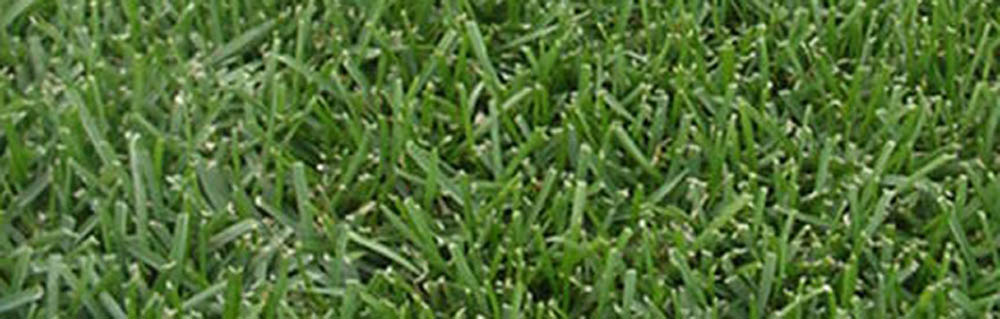
Bahiagrass forms a coarse-textured, open turf with an upright growth habit which gives a
lawn a sparse, open appearance. Bahiagrass avoids drought damage by dropping its leaves,
forming extensive rooting depth and undergoing dormancy (browning). If the homeowner does
not have an irrigation system or prefers a low-maintenance utility turf area, bahiagrass
is a good choice for a lawn.
ADVANTAGES
Bahiagrass can be grown from seed which is abundant and relatively inexpensive. Once
established, these grasses develop an extensive root system which makes them one of the
most drought tolerant lawn grasses. Bahiagrass produces a very durable sod which is able to
withstand moderate traffic. In addition, Bahiagrass has fewer pest problems than any
other Florida lawn grass, although mole cricket can severely damage it.
Bahiagrass (Paspalum Notatum) is a warm-season perennial grass that is grown on over one
million acres in Mississippi. Bahiagrass is ideally adapted to the droughty, sandy soils
of the lower Coastal Plain.
ANGUS ASSOCIATION (A*L*O*T)
Crops hay pasture grain forage links
ANGUS ASSOCIATION - crops, hay, pasture, grain, forage links.
Forage Quality Grazing and Hay
Quality forage for beef cattle.
It is low-growing and sod-forming, spreading by short stolons, and also from seed. Leaves
are rather short and broad. It is especially well adapted to droughty, sandy soils. It is
not winter hardy so is adapted to the lower Southeastern Coastal Plain, including all of
Florida. It is well suited for pastures and for lawns, especially on sandy soils of low
fertility. Propagation is by seed.
|